

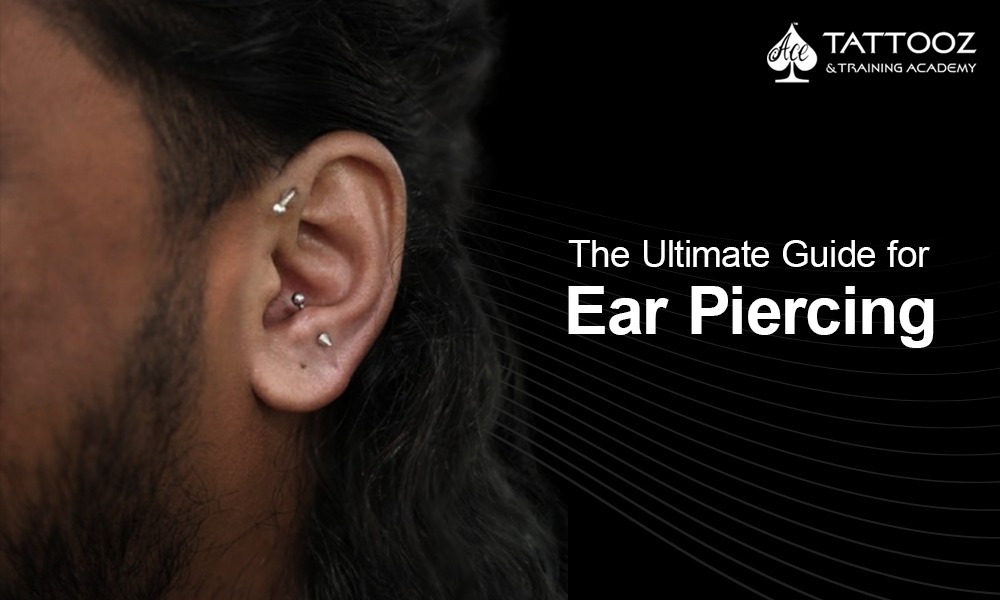
The Ultimate Guide for Ear Piercing
Ear piercing has been part of human culture for thousands of years. It began as a marker of identity, protection, or beauty. Today, it is often a personal choice, a quiet statement worn on the skin. Whether it is a simple lobe stud or a carefully planned helix piercing, the practice carries both style and meaning.
This guide walks through the essentials. It covers the most common types of ear piercings, what to expect during the process, and how to care for them after.
Understanding Ear Piercings
Ear piercings involve making a small hole in the ear tissue and inserting jewellery through it. The most common is a lobe piercing, which is performed on the soft lower part of the ear. Upper and side ear piercings, which use the ear’s cartilage for placement, are also becoming more popular. Cartilage ear piercings typically take longer to heal than lobe piercings, but they provide more design options.
Helix piercing is a popular type of cartilage piercing. It sits on the upper rim of the ear and complements both minimalist and statement jewellery. Some prefer a single helix piercing. Others prefer a pair or three along the curve of the ear.
Common Types of Ear Piercings
There are many types of ear piercings, each placed at a different part of the ear. The lobe remains the most popular. It heals fast and tends to be less painful.
Upper ear piercing sits on the cartilage and has a clean, structured look. It suits hoops, studs, or cuffs. Side ear piercing runs along the outer edge of the ear and allows creative patterns.
Cartilage ear piercings also include the helix piercing, which lines the upper rim. The forward helix sits closer to the head, near where the ear meets the face. Conch piercings are placed deeper in the cartilage. Industrial piercings link two points with a single bar. These are often more visible and need more care.
Preparing for the Procedure
Before getting ear piercings, choose a studio with high hygiene standards. The piercer should use sterile equipment and wear gloves. A needle is the preferred tool for cartilage ear piercings because it is cleaner and less traumatic to the tissue than a piercing gun.
Think about placement in advance. Suppose you plan more than one piercing; spacing matters. Discuss with your piercer how different placements will heal together.
Eat a small meal beforehand. It helps keep your blood sugar steady. Wear comfortable clothing. Tie your hair back so it does not interfere.
What Happens During Ear Piercing
The piercer first cleans the ear. Then they mark the placement point with a small dot. Once you agree on the position, the piercer uses a sterilised needle to make the hole. A piece of jewellery is inserted straight away.
Lobe piercings take only a few seconds. Helix piercing and other cartilage ear piercings can feel sharper, as the tissue is firmer. Some people describe the feeling as a pinch or pressure rather than pain.
Aftercare and Healing
Aftercare is the most important step. Clean the area twice a day with a sterile saline solution or a product recommended by your piercer. Do not twist or pull the jewellery. Avoid touching the area with unwashed hands.
Healing times vary. Lobe piercings can heal in six to eight weeks. Cartilage ear piercings, including helix piercing, can take three to six months, sometimes longer. Avoid sleeping directly on the pierced ear during this time. Keep hair, headphones, or hats away from the fresh piercing.
If you notice swelling, redness, or discharge, speak to your piercer or a healthcare professional. Mild tenderness is common in the first few days, but ongoing pain or spreading redness can signal infection.
Choosing Jewellery
Jewellery choice affects both healing and comfort. For a new piercing, surgical steel, titanium, or gold are good options. These metals are less likely to cause irritation. Avoid low-quality alloys or costume jewellery in the healing stage.
Simple studs are often used for lobe and helix piercing during healing. Once healed, you can change to hoops, cuffs, or more intricate pieces. Always check that jewellery is clean and smooth to reduce friction.
Healing Complications to Watch For
While ear piercings are common, they are not risk-free. The most frequent issues involve irritation from rough handling, sleeping on the piercing, or wearing poor-quality jewellery.
Cartilage piercings can be more sensitive. They may form small bumps known as hypertrophic scars if irritated. Keloids are less common but can occur. Early care often helps reduce these risks.
Timing and Lifestyle Considerations
If you swim often, consider getting your ear piercings when you can avoid pools for a few weeks. Chlorinated or open water can increase the risk of infection. If you wear helmets, headsets, or uniforms, plan placement to avoid pressure on the piercing.
Healing is personal. Some people heal fast. Others need more time. Rushing to change jewellery or skipping cleaning can extend healing and increase complications.
Building an Ear Piercing Plan
Many people layer different types of ear piercings to create a balanced look. This can mean combining lobe, side ear piercing, and helix piercing in a pattern that fits the shape of the ear.
It can help to map out placements over time. Start with one or two piercings. Allow them to heal fully. Add more once the first set is stable. This reduces the risk of irritation and allows you to clean each piercing properly.
Final Thoughts
Ear piercings can be simple or layered, minimal or expressive. What matters most is proper technique and care. Choosing a skilled piercer, keeping the area clean, and giving your body time to heal are the foundations of a good result.
A helix piercing can highlight the curve of the ear. A side ear piercing can frame the face. An upper ear piercing can lend a quiet structure. When planned well, each piece fits into a larger design.
Ear piercing is not a trend. It is a practice that has moved through time and culture. A small act, often done in minutes, that can last for years.
If you’ve been thinking about getting an ear piercing, this is your sign. Come visit Ace Tattooz.
FAQ
Healing time depends on the placement of your ear piercings. Standard lobe piercings often heal in six to eight weeks, while cartilage ear piercings, including helix piercing, may take three to six months. Upper ear piercing and side ear piercing usually need extra care because cartilage heals more slowly than soft tissue. Consistent cleaning and avoiding pressure on the area help speed up recovery.
Helix piercing is placed on the upper rim of the ear cartilage, giving a clean and defined look. It differs from lobe or side ear piercing because cartilage ear piercings are firmer, require more precision, and heal more slowly. Among the many types of ear piercings, helix piercing is one of the most versatile because it suits both minimal and layered jewellery styles.
Cartilage ear piercings need consistent and gentle aftercare. Clean the piercing twice a day with saline solution. Keep hair, headphones, and hats away from the area during healing. Avoid twisting or pulling the jewellery. For helix piercing, upper ear piercing, or side ear piercing, try not to sleep directly on the pierced ear, as pressure can slow down healing and cause irritation.
For fresh ear piercings, especially cartilage ear piercings like helix piercing, high-quality materials make a big difference. Titanium, surgical steel, or gold are good choices because they are less likely to irritate healing tissue. Simple studs are often recommended at first. Once healed, you can switch to hoops, cuffs, or other designs depending on the types of ear piercings you have.
Yes, you can. Many people combine various types of ear piercings to create a curated look. The combination of lobe, side ear, and helix piercings is common. If you choose multiple placements, your piercer will ensure that they are spaced properly to allow for healing. Some people prefer to gradually build their ear design, beginning with one or two piercings and adding more as the first set heals.