

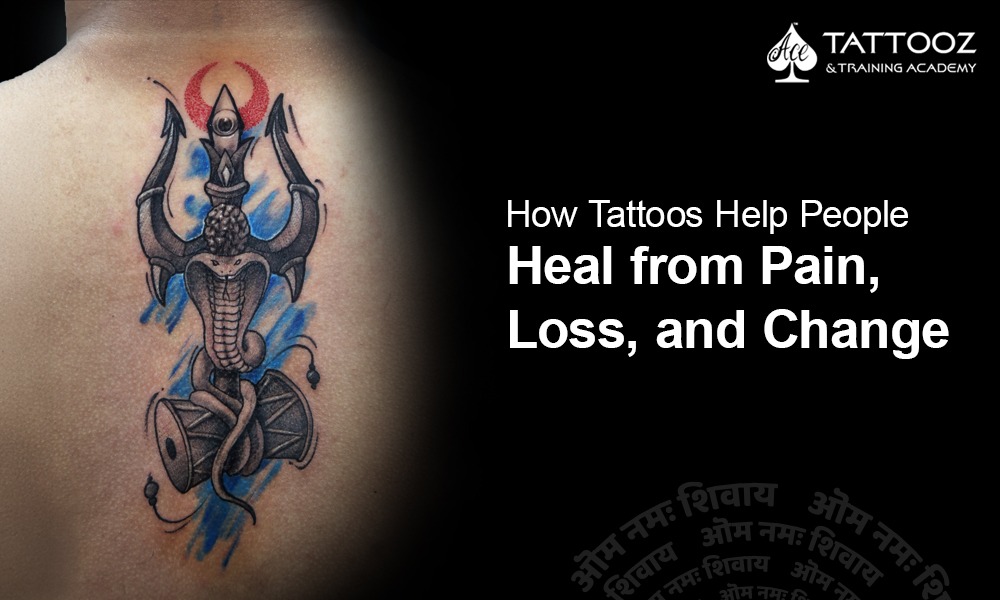
There are moments in life that divide us. The world that was before, and the one that follows. Grief, heartbreak, illness, survival—each leaves a mark. For some, that mark becomes a part of their story through tattooing.
Tattoos have always carried meaning. Once symbols of identity or rebellion, they now hold something quieter. A Healing tattoo can be an act of remembrance or renewal. It can give shape to pain that has no words. It can help people move through change, one deliberate stroke at a time.
The Skin Remembers
When someone chooses to mark their skin, it is never a small gesture. The body is personal ground. To change it is to take ownership of one’s story. For those who have lived through loss or transformation, tattooing becomes a way of reclaiming that story.
A tattoo can say, I survived. It can say, I remember. Or it can whisper, I am still here.
Across cultures, the body is seen as a map of time. Scars, wrinkles, and tattoos show what has been endured and what has been chosen. When someone places ink over a scar, they are not hiding it, but turning it into something new. The skin becomes both archive and canvas—a living record of healing.
When Grief Finds Form
After loss, words often fall short. People try to explain what someone meant to them and still come up empty. A small symbol—a feather, a date, a heartbeat—can hold what language cannot.
Many who have lost loved ones find comfort in a Memorial Tattoo. The process is intimate and grounding. The vibration of the needle, the scent of disinfectant, the steady focus of the tattoo artist—all of it becomes part of the ritual. Pain, for a brief moment, becomes a choice. The physical sting mirrors what the heart carries.
A memorial tattoo becomes a quiet conversation between absence and presence. It proves that love still lives, that memory still has colour. Over time, people often find that the ache softens. The loss remains, but it becomes gentler.
Marking Survival
For those who have endured illness, recovery, or major change, tattooing becomes a declaration of strength. A cancer survivor might ink the place of a scar. A soldier might mark the coordinates of a life-altering moment. Someone walking away from abuse might choose a design that speaks of freedom.
These tattoos are not about beauty alone. They are about truth. The body may carry damage, but it still belongs to its owner.
Research into trauma and embodiment shows that acts like writing, exercise, or tattooing can help integrate painful experiences. When trauma feels scattered or buried, creating a Healing tattoo can turn the story visible and whole again. It transforms what was once endured into something claimed.
The Ritual of Pain
Tattooing involves controlled pain. The body flinches, then finds a rhythm. This rhythm can feel meditative. It reminds the person that they can still feel, still choose, still inhabit their body.
Some describe the tattoo chair as a place between past and future. While the needle moves, memories rise. Thoughts drift. It may not be therapy in the strict sense, but it carries the shape of healing. There is presence. There is surrender.
This ritual—of design, consent, endurance, and transformation—brings order to what once felt chaotic. The pain fades. The mark endures.
Change and Continuity
Tattoos are frequently regarded as permanent, but they are alive. The ink changes as the skin ages, much like people do. What begins as a mark of grief can eventually become a mark of peace.
Some tattoos commemorate turning points—the end of one life and the beginning of another. A new city. A new name. A new self. Even when it is voluntary, change can feel like a small death. Tattoos serve as a link between the past and the future.
In this way, tattoos represent both continuity and transformation. They serve as a reminder that identity is fluid and constantly changing.
The Artist’s Role
Every Healing tattoo begins with a story and a listener. Tattoo artists often become quiet witnesses. They hear confessions, hopes, and memories that might never be shared elsewhere.
Many tattoo artists speak of this responsibility with respect. They prepare the stencil, mix the ink, and work with care. The act is technical, but also deeply human. The artist’s concentration creates safety; the client’s trust creates meaning.
In that small room, under bright light and the sound of buzzing machines, something sacred happens. It is not faith as religion knows it, but it carries its weight.
A Language Beyond Words
A tattoo communicates silently. It does not seek attention, but it tells a story every time it is seen. For the person wearing it, the ink serves as a daily reminder of perseverance and progress.
Some tattoos are kept private, hidden under clothing and intended only for the person who carries them. Others are visible to the world, sending quiet signals of what was previously unspoken. Each one contains truth. Each one resists forgetting.
Tattoos, particularly healing and memorial tattoos, teach us to pause in a world that rushes past pain. They remind us that healing does not imply erasing the hurt. It is about learning to live with what is left—and finding grace within it.
The Music of Resilience
Healing, like music, is rhythmic. It swells and softens. It conveys both sorrow and hope. Tattoos follow that rhythm. They are chords struck on the skin that resonate throughout the body and mind.
Rachmaninoff believed that music must originate in the soul. The same is true for tattoos that result from loss or change. These are not just designs. They are compositions, or notes of survival written on the body.
Each line and shade serves as a reminder that the story didn’t end where the pain began. Colour and form continue to be quiet but strong.
Closing Thoughts
To be human is to be marked by time. Choosing how we are marked is a kind of courage.
A Healing tattoo cannot erase grief or undo the past. But it can turn pain into meaning and meaning into memory. It reminds us that we have lived, that we have loved, that we are still here.
Healing is not about returning to who we were. It is about becoming someone new, with tenderness for what has been lost.
And sometimes, that journey begins with a tattoo artist, a needle, and the belief that the skin can sing.
FAQ
A healing tattoo is a design intended to represent recovery, change, or personal growth. It could represent overcoming illness, loss, or a difficult life chapter. Many people find that getting a tattoo helps them heal emotionally.
People get memorial tattoos to honour someone they have lost. It’s a personal way to keep that person close and give shape to emotions that are difficult to express in words. A small symbol, name, or date can convey profound meaning and comfort.
For some people, it does. Tattooing can have a grounding effect. It enables them to express their emotions, make conscious decisions, and create something lasting from their pain. It does not remove grief, but it can help you cope with it.
There is no single right tattoo design. Some people select meaningful symbols such as feathers, hearts, or flowers. Others prefer words, dates, and abstract art. The best designs are those that feel personal and reflect the story behind them.
Most tattoo artists take extra care when creating memorial or healing tattoos. They listen to the story, shape the design, and create a relaxing atmosphere for the experience. Many artists view their work as more than just ink; it is about honouring someone’s journey.