
Acetattooz

Author name: acetattoo

Blog

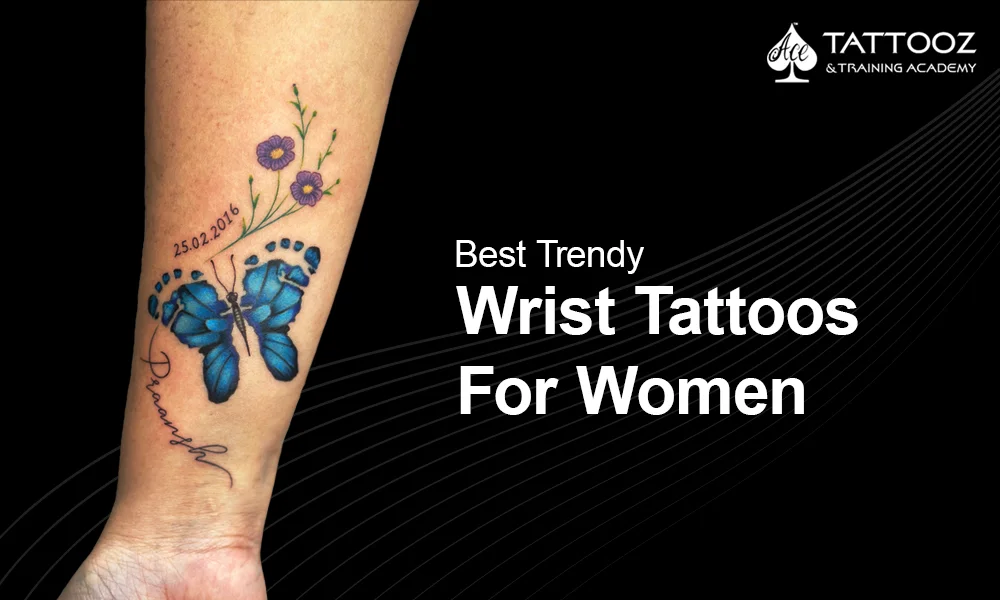
Best Trendy Wrist Tattoos for Women 

The wrist draws the eye with ease. It holds space for quiet detail, small stories and personal marks. Many women choose this spot for its balance of visibility and subtlety. A wrist tattoo carries meaning, style or identity in a clear and gentle way. The space works well for lines, symbols, words and delicate forms. In this blog, you will find ideas that help you choose a tattoo design for women that feels right for your skin.  Why the Wrist Works Well for Women The wrist sits close to daily life. You see it while you write, lift, reach or greet others. This location gives every tattoo a sense of presence. Ladies wrist tattoos hold strength, softness or calm meaning. The space suits neat forms and measured detail. It also supports meaningful wrist tattoos that carry a personal story. When placed well and drawn with care, the lines stay stable and readable. The healing process stays simple with clear aftercare.   The wrist also gives freedom with size. Some choose a tiny mark that stays tucked into the inner wrist. Others choose a slightly larger piece that wraps around the side. Both options suit the natural shape of the arm. It is a versatile space with room for creativity.  Minimal Line Tattoos Minimal line work remains a favourite choice among women. This style allows each stroke to speak with clarity. A simple heart, wave or sun holds calm energy. Many clients choose initials or small shapes that remind them of loved ones or meaningful events. This style works well for a first tattoo because it stays light on the skin. It also fits most lifestyles.    In our studio, we guide clients towards designs that age well. Clean lines need the right width and spacing. We draw each element with focus so the tattoo keeps its shape with time.  Floral Wrist Tattoos Floral patterns look natural on the wrist because the curves match the flow of the skin. Roses, lilies, jasmine and cherry blossoms remain popular choices. Each flower holds a cultural or personal meaning. A rose often stands for love or resilience. Cherry blossom carries themes of change and growth. Many women choose floral tattoo designs for female wrist when they want a blend of elegance and symbolism.    A small branch or single bloom works well on the inner wrist. For a different look, a thin vine can follow the side of the wrist. The style feels gentle yet strong. With shading and detail, we shape petals that feel soft and alive.  Script and Word Tattoos Script tattoos stay close to the heart. A single word or short phrase can guide a person through each day. Many clients choose words like courage, trust, grace or breathe. Some choose names or dates that hold personal value. The wrist gives these words a space where the eyes return naturally.    Script tattoos need steady line work. Each letter must stay clear. At Ace Tattooz, we choose fonts that read well on the wrist. We test placements so the word sits with balance. The result stays elegant and easy to read through time.  Symbolic Wrist Tattoos Symbols carry meaning without calling for large detail. Stars, moons, infinity signs and geometric shapes all sit well on the wrist. These forms hold universal messages. A moon may stand for calm and transition. A star may stand for direction. A geometric pattern may stand for order and clarity. These symbols work well as meaningful wrist tattoos because they speak with precision.    Many women enjoy this style because it stays open to personal interpretation. You may know the story behind the design, while others only see its shape. This balance gives the tattoo a private dimension.  Nature Inspired Wrist Tattoos Nature brings steady inspiration. Waves, mountains, feathers and birds all appear often on the wrist. A wave can remind you of flow and patience. A mountain can stand for strength. A feather can suggest freedom or lightness. Small birds often stand for hope or movement through life.    These designs sit well on the wrist because the space suits curved shapes. Many nature inspired tattoo designs for female wrist look best in fine line style. We work with thin needles to create detail without crowding the space.  Mandala and Dotwork Wrist Tattoos Some women prefer patterns that hold structure. Mandala designs and dotwork patterns create this effect. The wrist works well for a small mandala with neat symmetry. Dotwork gives each point a measured place. These patterns offer balance and focus. They work for women who enjoy clean geometry and steady detail.    Mandala designs need careful planning. We map each line so the pattern stays centred. Dotwork needs patience and a clear hand. Once complete, the design looks calm and ordered.  Bracelet Style Tattoos Bracelet tattoos wrap around the wrist like a piece of jewellery. Some designs use thin bands. Others use small charms, beads or symbols. A bracelet tattoo feels gentle and decorative. It works for women who enjoy ornamental detail without extra weight. It also suits those who prefer consistent visibility.    This style needs smooth lines because it circles the wrist. We draw the pattern while considering natural bends in the skin. This keeps the band straight and secure.  Choosing the Right Wrist Tattoo A wrist tattoo stays close to your daily life. Choose a design that feels stable and true. Think about what you wish to see each day. If you want calm, choose a soft form or word. If you want strength, choose a bold symbol or shape. The wrist holds both kinds of expression with ease.    We often guide clients through a simple process. We study the wrist size, discuss meaning and explore the right level of detail. We also consider how the tattoo may look with age. The goal stays consistent. The tattoo must feel personal and look clean for years.  Aftercare and Healing Wrist tattoos heal well when cared for with consistency. Keep the area clean and shield it from friction. Follow the aftercare plan we provide at the studio. This includes cleaning steps and moisturising guidance. Healing may take a few weeks. During this time, the design settles into the skin and builds clarity.    A wrist tattoo can last a lifetime with the right care. Sun protection keeps the lines steady. Clean moisturiser keeps the skin smooth. A simple routine gives the tattoo a long life.  Final Thoughts Ladies wrist tattoos carry meaning in a small space. The wrist welcomes

Best Trendy Wrist Tattoos for Women  Read Post »
Blog

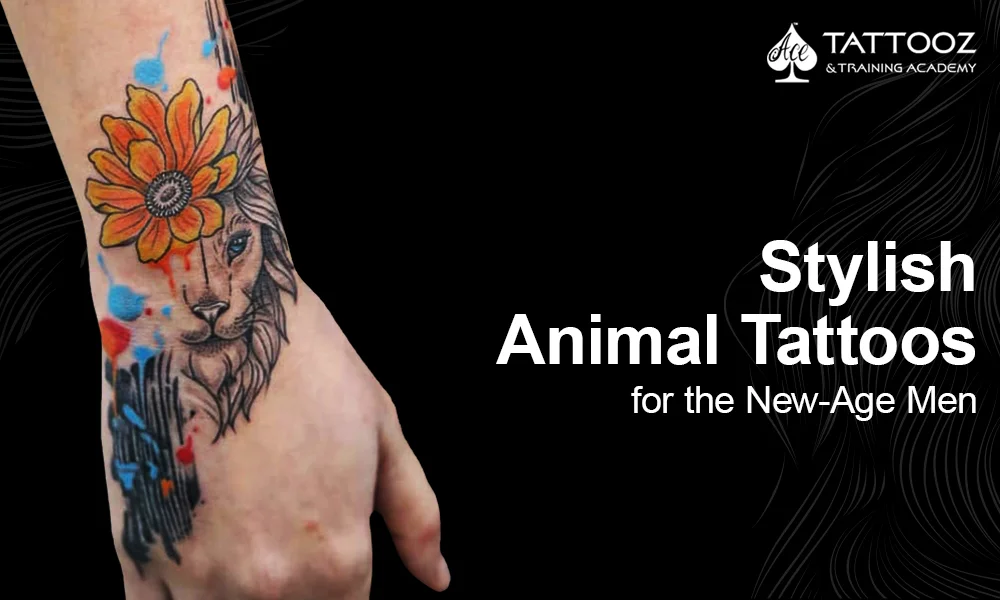
Stylish Animal Tattoos for the New Age Men 

Animal tattoo has a significant presence in modern body art. Many men choose these designs to express their personality, strength, or identity in clear and symbolic ways. The appeal is in how each creature tells a story with shape, lines, and composition. The following guide delves into popular options among new age men seeking clean, striking, and meaningful ink. It also explains how each style sits on the skin and the effect it has in everyday life. The Rise of Bold Animal Motifs Men show growing interest in designs that reflect instinct, grit and emotional honesty. The animal tattoo stands at the centre of this shift. Strong outlines, sharp detail and simple forms give these motifs a direct voice. They speak through posture, gaze and the natural character of each creature. Many men prefer pieces that serve as statements of calm control or steady confidence. These traits fit well with animal subjects because animals show clear purpose in their movements and expressions.    Placement plays a vital role in how these motifs evolve on the body. Upper arms, forearms, calves and shoulders allow enough room to show muscle structure and facial detail. When the artwork follows the flow of the body, the design appears alive.  Dog Tattoos for Men Men choose dog motifs for their sense of loyalty, comfort and steady companionship. A dog tattoo often reflects a personal bond. It carries the memory of a pet or the values a man sees in the animal. The design works well in both detailed and minimal styles. Some men choose a full face with fine strokes around the eyes and snout. Others prefer a clean outline that shows the shape without heavy shading.    Placement varies with the mood of the piece. Forearms offer space for realistic expressions. Shoulders work well for breeds with strong features like boxers or huskies. The calf suits long, vertical designs that follow muscle flow. Many men include small elements such as a collar tag, paw print or name to mark a connection.    Artists often use soft gradients to bring life to the eyes because the eyes hold the heart of the design. The result creates a warm and grounded symbol that stays close to personal memory and meaning.  Lion Tattoos for Men The lion holds a firm place in male body art. Its presence commands attention through a strong gaze, clear facial structure and a poised mane. A Lion tattoo suits men who want a sense of calm courage. Artists often build these designs through soft shading that leads into solid outlines. The face becomes the anchor of the piece. The mane supports it through texture and movement.    Men choose a lion hand tattoo when they want a front facing design with tight detail. The hand offers a compact canvas. When placed well, the lion appears steady and balanced. It works best when the expression remains controlled rather than fierce. This approach gives the tattoo a timeless quality.    A second Lion tattoo often appears on the forearm where it can follow bone structure. Length and gentle tapering allow the design to settle without distortion. This placement works well for men who want a visible symbol of presence.  Wolf Tattoos for Men The wolf carries a sense of loyalty and focus. Many men choose it for these traits. A wolf tattoo relies on sharp contrast. The eyes form the centre of attention. Artists build the fur with short, crisp strokes that move from dense to light as they step outward. This method helps the wolf hold its shape on the skin.    Some men prefer a more abstract approach. They choose geometric lines around the wolf’s face or shape the muzzle through angled patterns. This creates a sense of stillness.    A second wolf tattoo often shows the creature in profile. This version offers a cleaner silhouette. It focuses on nose, ear and cheekbone structure instead of dense detail. This style suits men who want a simpler look that still feels weighty.  Tiger Tattoos for Men The tiger shows strength and precision. It carries a clear visual rhythm through its stripes. A tiger tattoo works well on broad surfaces like the upper arm or calf. This space allows the stripes to curve naturally. The eyes need careful placement because their shape defines the whole expression. Artists use soft gradients to form a smooth transition from the stripes into the skin tone.    Some men choose half-face tigers. They prefer straight edges through the centre line. This style creates a sharp break that highlights the contrast between stripe and skin. The second tiger tattoo often uses movement. It shows the animal with a raised paw or a forward tilt. This adds direction to the piece, giving the viewer a sense of approach.  Designs for the Contemporary Male Aesthetic Modern men prefer artwork that shows discipline and clarity. They choose pieces that stay close to anatomical structure. Lines follow muscle flow rather than cut across it. This creates balance in the overall form. Many men use these motifs to mark a personal theme such as self control, endurance or leadership. The art becomes an external expression of an internal thought.    Composition remains important. Some prefer large pieces that wrap around the arm in a smooth curve. Others favour compact designs that stay solid in a small space. Men who want a simpler approach choose outlines with minimal shading. The shape alone carries the meaning.    These motifs often work well beside geometric forms, botanical elements or short script. Clean designs enhance the clarity of the animal’s expression. Colour appears less often in this category because monochrome offers more structure and contrast. Still, subtle touches of blue or amber in the eyes can lift the intensity without overpowering the design.  Men also look at placement with care. Shoulder pieces show width. Forearm pieces show direction. Hand pieces show presence. Calf pieces offer height and smooth flow. Each location shapes the tone of the artwork. Once the placement feels right, the tattoo grows into something personal.  How Men Choose Their Tattoo Design Men often follow a simple method when they pick a tattoo design for men. They look at the message they want to carry, match it with the animal that reflects it and choose a

Stylish Animal Tattoos for the New Age Men  Read Post »

Blog

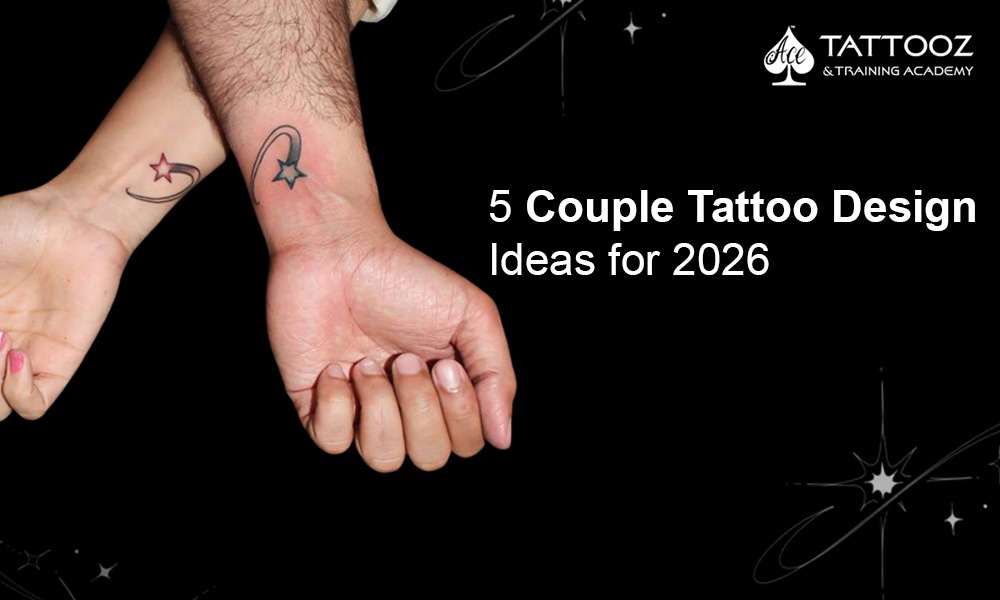
5 Couple Tattoo Design Ideas for 2026 

I carry your heart with me  (I carry it in my heart)  I am never without it  (anywhere I go you go, my dear)    E.E. Cummings wrote these lines with a simple truth. Love seeks forms. It finds small vessels for large feelings. The language of love moves with each generation. People still write letters, still share playlists,still save old notes. They also look for steady ways to mark a bond. A couple tattoo has become one of those ways. It sits close to the skin and turns into a quiet signal that two lives hold a shared story.  Matching tattoos once lived on the edges of culture. Today, they sit in the centre of how couples express commitment. The idea is less about display and more about presence. A couple tattoo design can be a private code or a clear emblem. It can sit on a wrist or along a collarbone. It can follow a small gesture or mark a milestone. The choice rests in the pair who carry it.  As 2026 approaches, tattoo artists see a shift in taste. Lines grow cleaner. Symbols take on a softer tone. People look for work that ages well. They lean toward forms that hold clarity and stay readable across time. A couple tattoo now reflects intention. It supports a shared rhythm and keeps it grounded. The ideas below follow that shift. Each one offers a frame for couples who want ink that stays balanced and honest.  Paired Minimal Linework Minimal linework carries its strength in restraint. Thin strokes form shapes that stay crisp across decades. Many couples choose simple outlines. Two small circles. Two clean arcs. Twin hands that meet at the knuckles. The appeal comes from the clarity of the marks. There is no shading to fade, no elaborate pattern to cloud over time. A couple tattoo design like this suits people who want direct expression.  In 2026, more artists experiment with micro spacing. They place two lines so close that they almost touch. The eye senses connection without a literal join. Couples who prefer subtlety find comfort here. The work stays neat and steady. It works on the inner arm, the rib, or the ankle. It adapts to many skin types and holds its form through routine wear.  Coordinates with Soft Geometry Coordinates remain a common choice. They point back to the place where two paths crossed. What changes in 2026 is the frame around them. Artists pair the numbers with soft geometric shells. A half square or a thin ellipse wraps the coordinates. The shape provides structure without drawing attention away from the meaning.  This form suits couples who want something factual yet warm. A couple tattoo like this turns a location into a quiet anchor. The geometry gives the work a touch of order. The coordinates give it weight. Together, they create a mark that stays calm under close study. It works on the forearm or on the side of the wrist. It also allows easy scaling so both partners can adapt it to their body.  Interlocking Flora Botanical work moves in cycles. In 2026, artists return to clean stems and small sprigs. Two separate tattoos that interlock when placed side by side have gained steady attention. One partner may wear a stem with three leaves. The other may wear the mirror image. When the two stand next to each other, the lines form a complete plant.  This design appeals to couples who like a story in small pieces. The stems do not need to match perfectly. They only need to share a rhythm. A couple tattoo idea like this offers room for choice. One can choose olive. The other can choose a fern. The lines meet in spirit. The effect is quiet and steady. It works well on the forearm or the back of the arm where the curve of the muscle holds the shape.  Shared Constellations Constellations hold time inside them. They point to nights that shaped memory. A couple tattoo design with constellations carries a sense of scale. Two matching pieces can reflect the same star map. They can also split a larger constellation into two parts. One partner carries half. The other carries the rest.  Tattoo artists use fine dot work to map the stars. The lines stay light. The stars rest as points. This medium holds clarity while ageing. Couples choose constellations tied to a month, a trip, or a shared night sky. The design stays personal without becoming abstract. It works on the shoulder or upper arm where the curve allows the dots to settle in a natural arc.  Twin Scripts in Micro Lettering Script tattoos change with each decade. In 2026, micro lettering gains ground. Artists write in precise lines that look almost printed. The words can be as brief as a name or a phrase that carries a shared truth. Twin tattoos use the same script, scale, and placement. The unity lies in the typography.  A couple tattoo idea like this serves pairs who value clarity of language. The script stays legible. The letters keep their edges. Micro lettering requires a skilled hand. The lines must stay steady. Most artists suggest the inner arm or the collarbone, where the skin holds fine detail. The result is a mark that stays loyal to its message.  Looking Ahead A couple tattoo in 2026 follows a clean path. It avoids clutter. It follows shape and scale. The ideas above offer a start. They show the range of form and the tone of the year. They also show how couples use tattoos as part of their emotional language. It becomes a shared object. It becomes a point of reference. It becomes a place where two people decide to hold a moment.  As tastes shift, the heart of the choice stays the same. A couple tattoo design works when it reflects the pair who wear it. It stays honest when the form matches the feeling. A couple tattoo idea takes shape when

5 Couple Tattoo Design Ideas for 2026  Read Post »

Blog

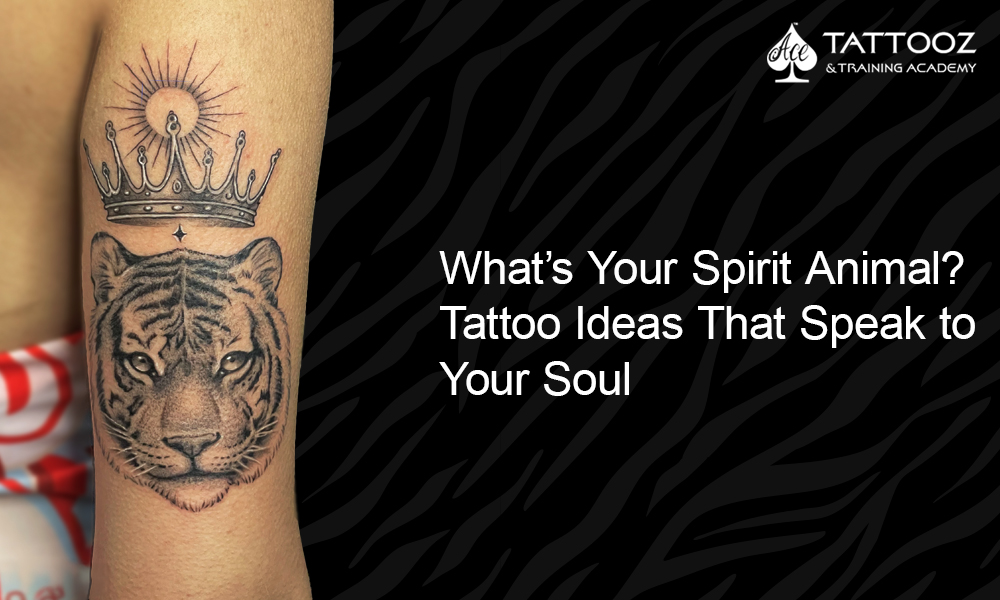
What’s Your Spirit Animal? Tattoo Ideas That Speak to Your Soul

There is something ancient about the way people choose tattoos. Despite our modern machines and sterile studios, the act itself retains a quiet ritualism—ink entering skin to tell a story that no words could convey. One of the most enduring of these stories is the spirit animal tattoo. It is not a passing fad; it represents connection, intuition, and the unspoken bond between the self and nature’s vast intelligence.  The concept of a spirit animal predates the invention of ink and needle. Throughout history, humans have looked to animals for guidance, protection, and inspiration. A wolf could represent loyalty and instinct, an owl wisdom and mystery, and a lion courage and dominance. These are not arbitrary interpretations. They emerge from our observations of how these creatures hunt, move, nurture, and lead. When someone wears such an image on their skin, they are essentially asking to borrow its spirit. The Power Behind the Symbol A spirit animal tattoo isn’t a decoration. Its declaration. It tells the world—and perhaps reminds the wearer—of what lies within. It says, “This is the energy I walk with.” Some people find theirs through meditation, others through dreams, or simply through quiet self-recognition. The process itself can be intimate, a slow peeling back of identity until the animal steps forward.  An artist once said that choosing your spirit animal is like looking in a mirror that reflects your soul, rather than your face. The reflection may surprise you. Someone drawn to a snake might not see deception but renewal—the way a snake sheds its skin to grow. Someone who chooses a raven might feel at home in its intelligence and quiet defiance of convention. Ink as Modern Totem Tattooing makes spiritual recognition permanent. Traditionally, warriors and shamans carried animal symbols as a form of protection. Today, the same action has become personal armour. The ink acts as a bridge between the physical and metaphysical realms—between who we are and who we are yet to become.  Walking into a tattoo studio in Mumbai will reveal artists reimagining the spirit animal in a variety of styles. Some examples of fine-line minimalism include a single feathered outline that suggests flight without revealing wings. Others use bold realism, layering colours and textures until the fur appears alive. Each stroke represents a translation—between human and animal, intention and expression.  The most remarkable designs frequently combine subtlety and depth. A fox could be rendered using geometry, emphasising its cunning through shape rather than snarl. A tiger could emerge from abstract brushstrokes, with its stripes fading like smoke. The beauty is in how personalised it becomes. No two spirit animal tattoos are alike because no two spirits communicate in the same way. The Process of Finding Yours Before deciding on a design, many people consider what they are drawn to, both emotionally and aesthetically. Are you seeking strength, transformation, calmness, or curiosity? Your animal counterpart often reflects your inner needs.  A wolf appeals to people who value loyalty and community. It is the spirit of selfless leadership, guided by instinct and connection.  A butterfly belongs to those who embrace change. It’s a gentle reminder that growth necessitates surrender.  A bear represents resilience. It carries solitude with grace and defends with quiet strength.  An elephant represents wisdom and memory, grounding those with stories too big to forget.  A raven is appropriate for thinkers and poets who exist somewhere between the visible and the invisible.  This is not mythology in the strictest sense. It’s emotional jargon. Each creature becomes a metaphor for a way of life, a reminder of qualities we want to cultivate or reclaim. From Design to Meaning Once the animal is chosen, the next step is how to embody it. Placement, scale, and style shape the conversation between tattoo and body. A large back piece might suggest a desire to carry the animal’s full presence; a small wrist symbol, a whisper of its energy.  Style too has its language. Traditional Japanese tattoos often interpret the koi fish as a symbol of perseverance against fate. Polynesian tattooing could turn a turtle into an emblem of protection and voyage. In Nordic symbolism, a stag might embody rebirth and royal dignity.  Modern studios are becoming more adept at combining traditional and contemporary techniques. Watercolour tattoos, for example, add a dreamlike fluidity to animal imagery, whereas dotwork and mandala designs incorporate sacred geometry. The effect can be timeless, with elements of both art and invocation. The Personal and the Cultural Of course, there is always a discussion about cultural respect. Spirit animals are deeply important in Indigenous traditions, and appropriating those beliefs without understanding their origins can feel hollow. The key is intention. Personal reflection rather than fashion trends should inspire a spirit animal tattoo. It’s more about listening to your own language than borrowing from another culture’s.  For many, the goal is to honour rather than imitate—to reconnect with the natural intelligence that civilisation has often forgotten. In a world obsessed with speed and screens, selecting an animal as a guide can be a form of silent rebellion. It says, “I still believe in symbols.” I still believe that the wild has something to teach me. The Masculine Archetypes While spirit animal tattoos are gender neutral, certain symbols have become classic tattoo designs for men. The lion, for example, symbolises dominance, courage, and leadership. The eagle represents vision: the ability to see far and act precisely. The bear symbolises endurance and protection, whereas the wolf represents the strength of loyalty and brotherhood.  These designs emphasise responsibility over power for its own sake. They represent balance: the ability to lead without losing empathy, to fight without losing motivation. In this sense, each tattoo functions as both a moral compass and an aesthetic choice. Beyond Skin Tattoos fade slightly with time, lines soften, colours shift, but the meaning deepens. A spirit animal tattoo does not age; rather, it becomes more worn in. It becomes a part of the individual’s story, adding layers of memory. The day it

What’s Your Spirit Animal? Tattoo Ideas That Speak to Your Soul Read Post »

Blog

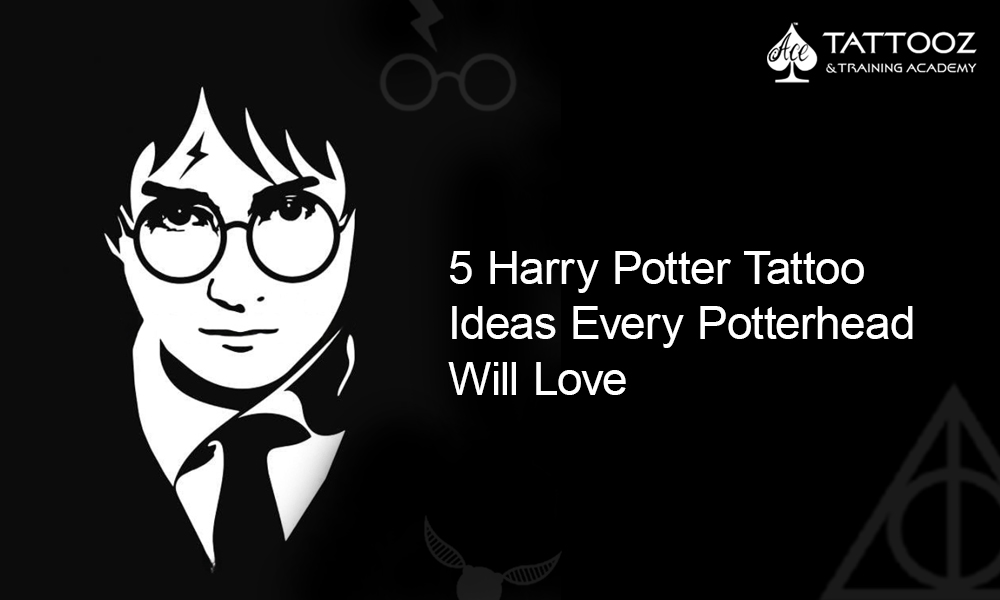
5 Harry Potter Tattoo Ideas Every Potterhead Will Love

 Lumos  For some people, Harry Potter is just a story. For others, it’s a piece of who they are. The books, the films, the world J.K. Rowling created—it all became a part of growing up. A Harry Potter tattoo is a quiet way to carry that feeling. Not to show off your fandom, but to wear a little bit of magic that feels yours alone.  Here are five Harry Potter tattoo ideas that capture the charm, mystery, and emotion of the wizarding world. You can explore these designs further or discuss them with tattoo studio for inspiration. 1. Expecto Patronum This is one of the series’ most powerful spells. “Expecto Patronum” represents pure light—a charm that drives away darkness. It’s a spell of memory and hope, a reminder that even in the darkest moments, something bright can emerge from within.  That is why this Harry Potter tattoo design is so meaningful to many fans. Some write the phrase in delicate handwriting and wrap it around the wrist or across the ribs. Others choose a Patronus image that is personal to them, such as a stag, otter, or wolf. The Patronus tattoo speaks softly. It says you remember how light feels. 2. The Lightning Scar The lightning bolt on Harry’s forehead is simple. Just a line. Yet it holds an entire story—of survival, fate, and courage.  A small scar tattoo can be tucked behind the ear, on the wrist, or near the collarbone. It doesn’t need to shout. It carries meaning in its simplicity. Some pair it with “The Boy Who Lived.” Others leave it bare, letting that single stroke say everything.  This Harry Potter tattoo works because it’s quiet. Like the kind of strength that doesn’t need to prove itself. 3. The Deathly Hallows Three symbols represent one story. The Deathly Hallows mark, which consists of a triangle, circle, and line, is one of the series’ most recognisable images. They represent power, loss, and acceptance: the wand, stone, and cloak. Together, they tell the story of the Master of Death.  It’s one of the most popular Harry Potter tattoo designs, and with good reason. It is clean, balanced, and symbolic. Some fans keep it simple, using fine black ink. Others include details like a galaxy background, stars, or a quote from Dumbledore. The Hallows symbol, no matter how you draw it, serves as a reminder that life and death are intertwined. 4. Platform 9¾ Every journey starts somewhere. For Harry, it began at King’s Cross Station, where he ran through a brick wall to reach Platform 9¾. For many of us, that moment felt like an invitation—to believe in something beyond the ordinary.  A tattoo of “9¾” can hold that sense of wonder. It might sit neatly on your forearm, or peek from your ankle. Some pair it with a small steam train or the Hogwarts Express written in fine script. It’s playful. It’s nostalgic. And it reminds you that the best adventures start when you trust yourself to run straight at the wall.  Among all Harry Potter tattoo ideas, this one feels like a secret door waiting to be opened. 5. The Marauder’s Map “I solemnly swear that I am up to no good.”  Those words unlock the most cunning object at Hogwarts. The Marauder’s Map was developed by four friends who refused to take life too seriously.  A tattoo inspired by the map captures the same spirit. You could write the quote, a few tiny footprints, or all four names—Moony, Wormtail, Padfoot, and Prongs. It works well as a small design, hidden where only you can see it.  It’s intended for fans of the series’ playful tone. The reminder that life is more enjoyable when you let a little magic in. Every Harry Potter tattoo design has its own story. Some have deep meaning. Others simply make you smile. You can use bright colours or keep things simple. There is no correct choice; only the one that feels right to you.  Take a moment to reflect before making a design decision. Consider what this world has meant to you. Perhaps it taught you that love is more effective than any spell. Maybe it reminded you to be kind. Perhaps it simply gave you a place to belong.  Whatever you carry from that story, let your tattoo be a reminder of it. When the ink dries and the skin heals, you’ll know exactly what to say.  Mischief managed. FAQ What does a Harry Potter tattoo symbolise? A Harry Potter tattoo typically represents bravery, love, and belief in magic. Each design tells a unique story, such as a Patronus representing hope, a lightning scar representing survival, and the Deathly Hallows representing acceptance. It’s less about fandom and more about how the series affects you personally. Which Harry Potter tattoo design is the most popular? The Deathly Hallows symbol tops the list. It’s simple, striking, and meaningful. The triangle, circle, and line represent the wand, stone, and cloak, which make up a single powerful legend. It’s subtle enough for everyday use while instantly recognisable to any Potterhead. Where should I place a small Harry Potter tattoo? Small tattoos work best in personal spots — think wrist, collarbone, ankle, or behind the ear. These areas let you keep the design intimate while still easy to show. The lightning scar, “9¾,” or “Mischief Managed” are perfect choices for smaller placements. Can I create my own Harry Potter tattoo design? Absolutely. The best Harry Potter tattoo ideas are often custom. You can combine symbols, add quotes, or design something unique that reflects your bond with the story. For instance, your own Patronus paired with a spell or line that speaks to you. A good tattoo artist can help you bring that magic to life. Are Harry Potter tattoos still trending? Yes! If anything, they’ve grown more timeless. Potterheads remain deeply connected to the themes of friendship, bravery, and belonging. These tattoos are more than just trends; they’re homages to a world that continues

5 Harry Potter Tattoo Ideas Every Potterhead Will Love Read Post »

Blog

Top 5 Hindu God Tattoos to Consider as Your First Tattoo

Your first tattoo will stay with you forever. It’s a powerful symbol, whether it’s about memory, faith, or identity. For many people, the search for meaning leads to something sacred, a symbol that transcends fashion. This is where Hindu god tattoos come in. They are more than just designs; they are ideas. Each one tells a story about balance, power, and the quiet strength of belief.  Many people come in looking for a tattoo that feels more than just decorative. Something that keeps them connected to their roots, values, or personal definitions of strength. Over the years, a few designs have stood out for their deep resonance. If you’re thinking about getting your first tattoo and want something meaningful and beautiful, here are five Hindu god tattoos to consider. 1. Shiva Tattoo There is something magnetic about Lord Shiva. He is wild and immobile, proving that quiet can have a greater impact than sound. That contrast is often seen in Shiva tattoos, such as the serene face with closed eyes, the Ganga flowing from his hair, or the crescent moon perched above his brow.  While some people only use the Trishul or the holy mantra Om Namah Shivaya, others prefer the full meditative form. Mahadev tattoos are beautiful because of their symbolism of rebirth. To start over and destroy what is no longer needed. It’s a good option for a first tattoo because it’s both aesthetically pleasing and deeply spiritual. 2. Krishna Tattoo If Shiva speaks of detachment, Krishna speaks of joy. His presence is lighter, more fluid, like music. A Krishna tattoo usually shows him with his flute, the peacock feather on his head catching the eye. Some designs go abstract, using soft lines to suggest movement and melody. Others show him in full detail, radiating calm confidence.  People who choose this tattoo often say it reminds them to live with grace, to find balance between love and duty. The shades of blue or black-grey gradients in the artwork give it soul. It’s a design that feels alive, never rigid. 3. Ganpati Tattoo Lord Ganesha’s image carries instant warmth. His kind eyes and familiar form symbolise wisdom, protection, and luck. That’s why a Ganpati tattoo often becomes the first choice for anyone starting fresh, a new city, a new phase, a new self.  The style can be detailed, almost sculptural, or completely minimal. Some go for a full-bodied Ganesha sitting cross-legged. Others choose a more abstract curve of his trunk woven into a mandala. Whatever the form, the message stays the same: remove obstacles and move forward with clarity.  At Ace Tattooz, artists often personalise Ganesha tattoo designs, blending geometry, sacred symbols, and a hint of softness around the eyes. It’s a tattoo that feels protective. 4. Maa Durga Tattoo The Maa Durga tattoo speaks in a quiet, commanding tone. She is fierce, but her calm remains unbroken. It’s an image that celebrates feminine strength: decisive, protective, and deeply intuitive. Many people prefer her face, which is framed by flowing hair and a steady gaze that looks straight through the storm.  Sometimes the design includes her lion or the trident, which represent her fight against darkness. Sometimes it’s just her sharp, fearless eyes.  For women, a Durga tattoo can be a personal expression of strength. For men, it frequently becomes a symbol of reverence for divine balance, the ability to protect without losing compassion. The intricate details make this tattoo timeless. It commands attention without requiring it. 5. Hanuman Tattoo A Hanuman tattoo possesses its own quiet force. Lord Hanuman represents strength shaped by faith and courage defined by loyalty. Many designs depict him carrying the Sanjeevani mountain across the sky or tearing open his chest to reveal Lord Rama and Sita inside. They both tell the same story: unwavering devotion.  There are also simpler versions. A single outline of his face, or a silhouette in mid-leap. These designs encapsulate the essence of fearlessness and humility. For a first tattoo, it’s a beautiful reminder that true power is often found in service rather than pride. It is also one of the most popular tattoo design for men. Choosing What the Tattoo Means to You What makes Hindu god tattoo designs so enduring is the meaning behind them. Each god symbolises a quality that humans strive for, like focus, joy, wisdom, courage, or faith. These tattoos aren’t just images; they’re reflections of character.  Before choosing one, spend time understanding what the symbol means to you. The right design feels personal, not borrowed. A good tattoo artist will help shape that thought into form, guiding you on proportion, flow, and placement.  At Ace Tattooz, that process is part of the experience. The conversation before the ink. The sketch that evolves through dialogue. The goal isn’t to just create a tattoo; it’s to craft something that feels like it belongs to you. Placement and Style For your first tattoo, placement is key. Smaller pieces like the Trishul, Om, or a Krishna flute fit well on the wrist, shoulder blade, or behind the ear. Larger portraits, such as Shiva meditating or Durga in full power, often sit beautifully on the upper arm, back, or chest.  The style depends on how you want to express it. Black and grey gives a grounded, timeless look. Colour adds dimension, especially for gods like Krishna or Durga. Some people blend traditional iconography with fine-line or geometric design. The right artist will help find that balance. Why a Hindu God Tattoo Makes Sense for a First Tattoo A Hindu god tattoo feels complete. It carries weight without needing explanation. It connects you to something bigger than trend, a form of continuity that doesn’t fade with time.  Over the years, you may change cities, jobs, or ideas, but the symbol stays. It becomes a quiet centre you return to. That’s what makes it such a strong choice for your first tattoo. It’s not loud, it’s lasting. Final Reflection Your first tattoo should say something that still resonates ten

Top 5 Hindu God Tattoos to Consider as Your First Tattoo Read Post »

Blog

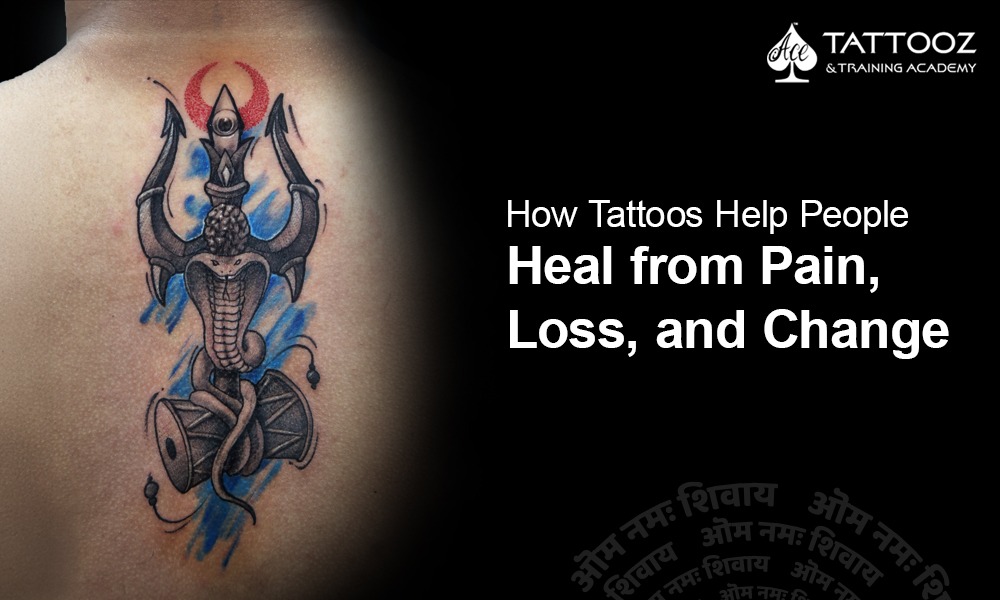
How Tattoos Help People Heal from Pain, Loss, and Change

There are moments in life that divide us. The world that was before, and the one that follows. Grief, heartbreak, illness, survival—each leaves a mark. For some, that mark becomes a part of their story through tattooing.  Tattoos have always carried meaning. Once symbols of identity or rebellion, they now hold something quieter. A Healing tattoo can be an act of remembrance or renewal. It can give shape to pain that has no words. It can help people move through change, one deliberate stroke at a time. The Skin Remembers When someone chooses to mark their skin, it is never a small gesture. The body is personal ground. To change it is to take ownership of one’s story. For those who have lived through loss or transformation, tattooing becomes a way of reclaiming that story.  A tattoo can say, I survived. It can say, I remember. Or it can whisper, I am still here.  Across cultures, the body is seen as a map of time. Scars, wrinkles, and tattoos show what has been endured and what has been chosen. When someone places ink over a scar, they are not hiding it, but turning it into something new. The skin becomes both archive and canvas—a living record of healing. When Grief Finds Form After loss, words often fall short. People try to explain what someone meant to them and still come up empty. A small symbol—a feather, a date, a heartbeat—can hold what language cannot.  Many who have lost loved ones find comfort in a Memorial Tattoo. The process is intimate and grounding. The vibration of the needle, the scent of disinfectant, the steady focus of the tattoo artist—all of it becomes part of the ritual. Pain, for a brief moment, becomes a choice. The physical sting mirrors what the heart carries.  A memorial tattoo becomes a quiet conversation between absence and presence. It proves that love still lives, that memory still has colour. Over time, people often find that the ache softens. The loss remains, but it becomes gentler. Marking Survival For those who have endured illness, recovery, or major change, tattooing becomes a declaration of strength. A cancer survivor might ink the place of a scar. A soldier might mark the coordinates of a life-altering moment. Someone walking away from abuse might choose a design that speaks of freedom.  These tattoos are not about beauty alone. They are about truth. The body may carry damage, but it still belongs to its owner.  Research into trauma and embodiment shows that acts like writing, exercise, or tattooing can help integrate painful experiences. When trauma feels scattered or buried, creating a Healing tattoo can turn the story visible and whole again. It transforms what was once endured into something claimed. The Ritual of Pain Tattooing involves controlled pain. The body flinches, then finds a rhythm. This rhythm can feel meditative. It reminds the person that they can still feel, still choose, still inhabit their body.  Some describe the tattoo chair as a place between past and future. While the needle moves, memories rise. Thoughts drift. It may not be therapy in the strict sense, but it carries the shape of healing. There is presence. There is surrender.  This ritual—of design, consent, endurance, and transformation—brings order to what once felt chaotic. The pain fades. The mark endures. Change and Continuity Tattoos are frequently regarded as permanent, but they are alive. The ink changes as the skin ages, much like people do. What begins as a mark of grief can eventually become a mark of peace.  Some tattoos commemorate turning points—the end of one life and the beginning of another. A new city. A new name. A new self. Even when it is voluntary, change can feel like a small death. Tattoos serve as a link between the past and the future.  In this way, tattoos represent both continuity and transformation. They serve as a reminder that identity is fluid and constantly changing. The Artist’s Role Every Healing tattoo begins with a story and a listener. Tattoo artists often become quiet witnesses. They hear confessions, hopes, and memories that might never be shared elsewhere.  Many tattoo artists speak of this responsibility with respect. They prepare the stencil, mix the ink, and work with care. The act is technical, but also deeply human. The artist’s concentration creates safety; the client’s trust creates meaning. In that small room, under bright light and the sound of buzzing machines, something sacred happens. It is not faith as religion knows it, but it carries its weight. A Language Beyond Words A tattoo communicates silently. It does not seek attention, but it tells a story every time it is seen. For the person wearing it, the ink serves as a daily reminder of perseverance and progress.  Some tattoos are kept private, hidden under clothing and intended only for the person who carries them. Others are visible to the world, sending quiet signals of what was previously unspoken. Each one contains truth. Each one resists forgetting.  Tattoos, particularly healing and memorial tattoos, teach us to pause in a world that rushes past pain. They remind us that healing does not imply erasing the hurt. It is about learning to live with what is left—and finding grace within it. The Music of Resilience Healing, like music, is rhythmic. It swells and softens. It conveys both sorrow and hope. Tattoos follow that rhythm. They are chords struck on the skin that resonate throughout the body and mind.  Rachmaninoff believed that music must originate in the soul. The same is true for tattoos that result from loss or change. These are not just designs. They are compositions, or notes of survival written on the body.  Each line and shade serves as a reminder that the story didn’t end where the pain began. Colour and form continue to be quiet but strong. Closing Thoughts To be human is to be marked by time. Choosing how we are marked is a kind of courage.  A

How Tattoos Help People Heal from Pain, Loss, and Change Read Post »

Blog

Things Every First-Timer Should Know Before Getting a Tattoo

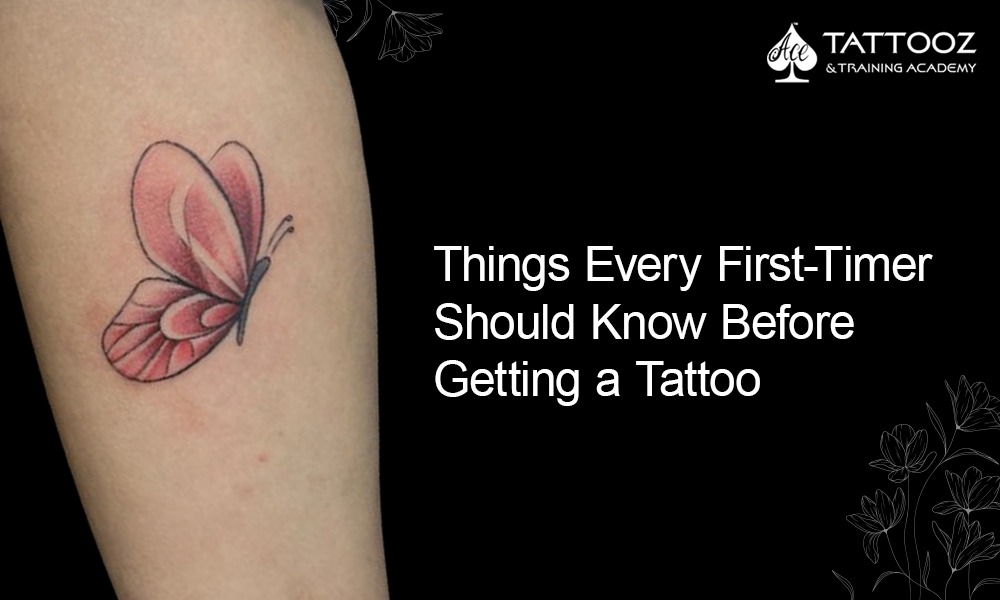
So, you’ve finally decided to get your first tattoo. Good on you. You’ve probably been scrolling through endless tattoo designs, saving pictures, and maybe even doodling something that feels personal. It’s exciting, right? But before you jump into the chair, there are a few things I wish every first-timer knew about tattooing. I’ve been doing this for over twenty years, and I’ve seen everything from last-minute panic attacks to people falling asleep mid-ink. Trust me, if you want your first tattoo to be something you’ll love for years, a bit of prep goes a long way. 1. Choose Your Tattoo Artist Finding the right tattoo artist is similar to finding the right partner. It’s all about trust, communication, and a commonsense of style. Don’t just enter the first studio you see. Spend time researching artists whose work matches your preferences. Every artist has a signature style. Some excel at fine-line details, while others specialise in bold, old-school shading or realistic portraits.  Check their portfolio, read reviews, and, if possible, visit the studio. The vibe of the place speaks volumes. A clean, professional setup is essential. If the space appears sketchy or the artist appears uninterested in your concept, walk away. A good artist will not simply copy a design; they will work with you to make it your own. 2. Think It Through (But Don’t Overthink It) I’ve seen people walk in after thinking about a tattoo for five years, and others who decided that morning. The truth is, both approaches can work if you’re honest about why you want it. Tattoos are personal. They can mark a memory, express identity, or simply look beautiful.  If you’re struggling to pick from a thousand tattoo designs, try to narrow it down to the emotion or meaning you want to carry with it. The design will come naturally once you know the why. And remember, placement matters. A tattoo on your rib cage feels very different from one on your forearm. 3. Pain Is Part of the Process (But It’s Manageable) Let’s be real. Tattooing involves needles and skin. It’s not a spa treatment, but it’s also not the unbearable agony people make it out to be. The pain depends on where you’re getting inked and your own tolerance. Areas with more muscle or fat, like your arms or thighs, are easier. Spots close to the bone, like ribs or ankles, sting more.  The good news is, it’s temporary. Most people describe it as a scratchy or warm buzzing sensation. Once you settle into the rhythm of the machine, your body adapts. Focus on your breathing, and don’t tense up. You’ll be surprised how quickly the nerves fade once you see the design coming to life. 4. Don’t Show Up Hungry, Drunk, or Sleep-Deprived This one’s simple. Eat a good meal before your appointment. Low blood sugar can make you feel dizzy or faint, especially during long sessions. Hydration helps too. Skip alcohol the night before because it thins your blood, which can make you bleed more during tattooing.  And please, get some sleep. A tired, anxious body reacts more to pain. The calmer and more rested you are, the smoother your session will go. 5. Listen to Your Artist During Tattoo Aftercare You’d be amazed at how many people forget the tattoo aftercare part. It’s not just about keeping it clean. Aftercare determines how your tattoo heals, how bright the colours stay, and whether you’ll need touch-ups later.  Here’s what I tell my clients:  Keep the bandage on for the first few hours Wash the tattoo gently with mild soap and lukewarm water. Pat dry, don’t rub. Apply a thin layer of fragrance-free ointment or lotion. Avoid swimming pools, hot tubs, and direct sunlight until it heals. A fresh tattoo is an open wound, and treating it well prevents infections and fading. The first few days are crucial, but full healing can take a few weeks. Be patient. It’s worth it. 6. Size and Detail Affect Everything Everyone wants that perfect fine-line quote or intricate mandala on their first try. But small tattoos fade faster and detailed work needs precision. If you’re a first-timer, start with something that suits your comfort level and pain tolerance. You can always add more later.  Your tattoo artist can guide you on what will age well and what won’t. A good design isn’t just about how it looks today, it’s about how it’ll look ten years from now. 7. Expect the Healing Phase to Be Weird Let’s talk honestly. Your tattoo might look a bit rough in the first week. It’ll scab, peel, and itch. That’s normal. Don’t pick at it, no matter how tempting it feels. Scratching can pull out colour and leave scars. Moisturise lightly and let the skin do its thing.  Once healed, the tattoo will settle into your skin. The lines will soften slightly, and the colours will appear more natural. That’s when you’ll see the real art. 8. Tattoos Are Addictive (In the Best Way) Almost everyone says, “This is my only one,” and then shows up again in six months. There’s something addictive about tattooing. It’s the combination of pain, adrenaline, and creation. You walk in blank and walk out changed, even if it’s just a small symbol on your wrist.  So, don’t be surprised if your first tattoo turns into the start of a collection. Each one tells a story, a chapter in ink. 9. Respect the Craft Tattoos are more than just fashion statements; they are works of art that exist on your skin. Respect your artist’s time, abilities, and advice. Arrive on time, be honest about your expectations, and communicate clearly.  Let me know if you need a break. If you are unsure about something, please ask. A good artist always takes the time to explain. This is not just a service; it is a collaboration. 10. Enjoy the Experience Above all, enjoy it. Getting your first tattoo is considered a rite of passage. It’s

Things Every First-Timer Should Know Before Getting a Tattoo Read Post »

Blog

The Ultimate Guide to Ear Piercings: Helix, Cartilage & More

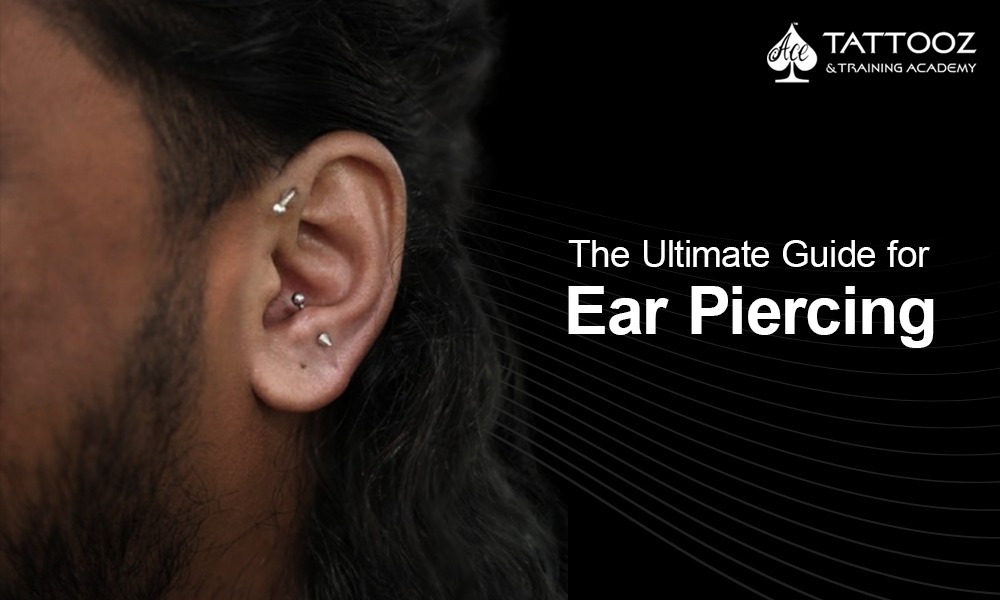
The Ultimate Guide for Ear Piercing Ear piercing has been part of human culture for thousands of years. It began as a marker of identity, protection, or beauty. Today, it is often a personal choice, a quiet statement worn on the skin. Whether it is a simple lobe stud or a carefully planned helix piercing, the practice carries both style and meaning. This guide walks through the essentials. It covers the most common types of ear piercings, what to expect during the process, and how to care for them after. Understanding Ear Piercings Ear piercings involve making a small hole in the ear tissue and inserting jewellery through it. The most common is a lobe piercing, which is performed on the soft lower part of the ear. Upper and side ear piercings, which use the ear’s cartilage for placement, are also becoming more popular. Cartilage ear piercings typically take longer to heal than lobe piercings, but they provide more design options.  Helix piercing is a popular type of cartilage piercing. It sits on the upper rim of the ear and complements both minimalist and statement jewellery. Some prefer a single helix piercing. Others prefer a pair or three along the curve of the ear. Common Types of Ear Piercings There are many types of ear piercings, each placed at a different part of the ear. The lobe remains the most popular. It heals fast and tends to be less painful.  Upper ear piercing sits on the cartilage and has a clean, structured look. It suits hoops, studs, or cuffs. Side ear piercing runs along the outer edge of the ear and allows creative patterns.  Cartilage ear piercings also include the helix piercing, which lines the upper rim. The forward helix sits closer to the head, near where the ear meets the face. Conch piercings are placed deeper in the cartilage. Industrial piercings link two points with a single bar. These are often more visible and need more care. Preparing for the Procedure Before getting ear piercings, choose a studio with high hygiene standards. The piercer should use sterile equipment and wear gloves. A needle is the preferred tool for cartilage ear piercings because it is cleaner and less traumatic to the tissue than a piercing gun.  Think about placement in advance. Suppose you plan more than one piercing; spacing matters. Discuss with your piercer how different placements will heal together.  Eat a small meal beforehand. It helps keep your blood sugar steady. Wear comfortable clothing. Tie your hair back so it does not interfere. What Happens During Ear Piercing The piercer first cleans the ear. Then they mark the placement point with a small dot. Once you agree on the position, the piercer uses a sterilised needle to make the hole. A piece of jewellery is inserted straight away.  Lobe piercings take only a few seconds. Helix piercing and other cartilage ear piercings can feel sharper, as the tissue is firmer. Some people describe the feeling as a pinch or pressure rather than pain. Aftercare and Healing Aftercare is the most important step. Clean the area twice a day with a sterile saline solution or a product recommended by your piercer. Do not twist or pull the jewellery. Avoid touching the area with unwashed hands.  Healing times vary. Lobe piercings can heal in six to eight weeks. Cartilage ear piercings, including helix piercing, can take three to six months, sometimes longer. Avoid sleeping directly on the pierced ear during this time. Keep hair, headphones, or hats away from the fresh piercing.  If you notice swelling, redness, or discharge, speak to your piercer or a healthcare professional. Mild tenderness is common in the first few days, but ongoing pain or spreading redness can signal infection. Choosing Jewellery Jewellery choice affects both healing and comfort. For a new piercing, surgical steel, titanium, or gold are good options. These metals are less likely to cause irritation. Avoid low-quality alloys or costume jewellery in the healing stage.  Simple studs are often used for lobe and helix piercing during healing. Once healed, you can change to hoops, cuffs, or more intricate pieces. Always check that jewellery is clean and smooth to reduce friction. Healing Complications to Watch For While ear piercings are common, they are not risk-free. The most frequent issues involve irritation from rough handling, sleeping on the piercing, or wearing poor-quality jewellery.  Cartilage piercings can be more sensitive. They may form small bumps known as hypertrophic scars if irritated. Keloids are less common but can occur. Early care often helps reduce these risks. Timing and Lifestyle Considerations If you swim often, consider getting your ear piercings when you can avoid pools for a few weeks. Chlorinated or open water can increase the risk of infection. If you wear helmets, headsets, or uniforms, plan placement to avoid pressure on the piercing.  Healing is personal. Some people heal fast. Others need more time. Rushing to change jewellery or skipping cleaning can extend healing and increase complications. Building an Ear Piercing Plan Many people layer different types of ear piercings to create a balanced look. This can mean combining lobe, side ear piercing, and helix piercing in a pattern that fits the shape of the ear.  It can help to map out placements over time. Start with one or two piercings. Allow them to heal fully. Add more once the first set is stable. This reduces the risk of irritation and allows you to clean each piercing properly. Final Thoughts Ear piercings can be simple or layered, minimal or expressive. What matters most is proper technique and care. Choosing a skilled piercer, keeping the area clean, and giving your body time to heal are the foundations of a good result.  A helix piercing can highlight the curve of the ear. A side ear piercing can frame the face. An upper ear piercing can lend a quiet structure. When planned well, each piece fits into a larger design.  Ear piercing is not a trend. It is

The Ultimate Guide to Ear Piercings: Helix, Cartilage & More Read Post »

Blog

Krishna Tattoo Designs: Meaning, Art & Divine Inspiration

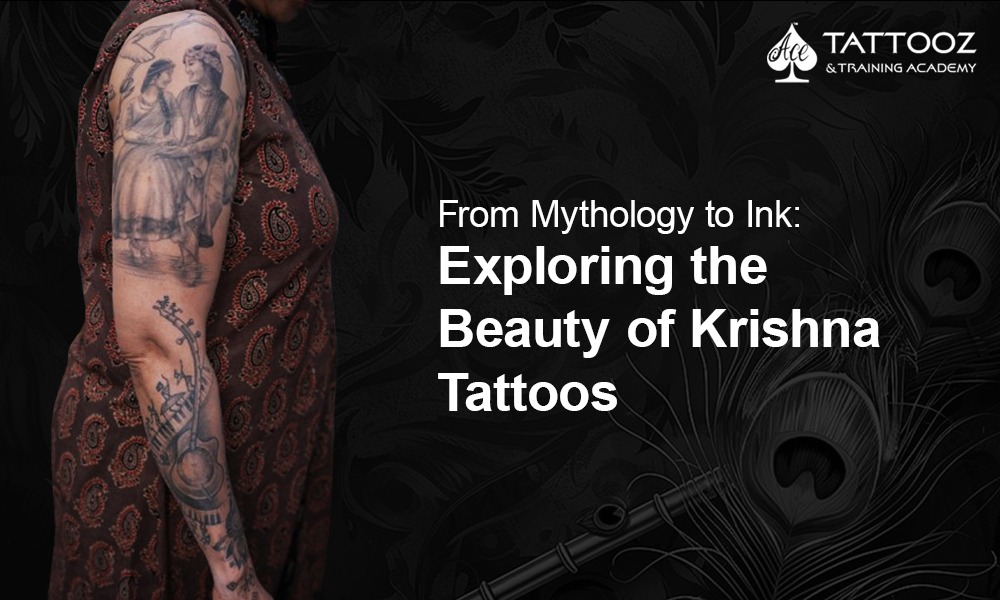
From Mythology to Ink: Exploring the Beauty of Krishna Tattoos Ink has long carried stories, faith, and identity. Among the many designs chosen to rest on human skin, few hold the quiet power of a Krishna tattoo. It carries the weight of centuries of myth, art, and devotion. Whether sketched in fine lines or filled with bold detail, it speaks of grace and serenity. A Living Myth Krishna is not only a figure from mythology. He is a living presence in songs, rituals, and memory. His image sits at the centre of many homes across India. The blue-skinned god with a flute has shaped entire traditions. A Krishna tattoo draws from this deep well of meaning. It brings a piece of this mythology into the present, where ink turns belief into personal expression.  For some, the image serves as a reminder of devotion. For others, it represents values like love, playfulness, and strength. The tattoo often becomes both a shield and a soft echo of a story told many times before. The Symbol of Radha and Krishna Tattoo Many people choose the Radha Krishna tattoo as a symbol of divine love. In these designs, Radha stands beside Krishna. Their gaze often meets in quiet recognition. The scene holds more than romance. It carries the idea of love beyond human measure, of a connection that exists outside time. These tattoos work well on the upper arm, forearm, or back. Some choose intricate work that mirrors miniature paintings. Others prefer fine outlines that capture only the essence of their bond. Both styles hold the same quiet strength. The Flute as a Sign of Calm The flute Krishna tattoo has its own language. In myth, Krishna’s flute calls people to him. It speaks of peace, joy, and surrender. A tattoo of the flute can carry this sound in silence. It fits well on the wrist, the forearm, or near the collarbone. The shape of the flute, often wrapped in peacock feathers or beads, brings a graceful line to the design. Those who choose the flute often seek a design that is simple yet powerful. It becomes a subtle nod to their faith or a gentle reminder of inner stillness. The Peacock Feather and What It Holds The peacock feather, or krishna mor pankh tattoo, is one of the most common symbols tied to Krishna. He wears a feather on his crown. It carries beauty, pride, and lightness. On skin, it often curves with the body’s shape, sitting on the forearm, shoulder, or ankle.  Artists use the feather to play with shades of blue and green. Some keep it monochrome, letting fine lines do the work. Others bring in colour to reflect its natural brilliance. A feather may seem small, but it can hold deep meaning. Tattoos on the Hand Many choose a Krishna tattoo on hand because of its visibility. The hand moves through the world, always seen, always present. When Krishna rests there in ink, he becomes part of daily life. Designs vary from small flutes and feathers to full portraits. The hand allows both detail and simplicity. A Shri Krishna tattoo on hand is also a statement. It tells others that faith is not tucked away. It lives in plain sight, on skin that meets the world every day. Style and Form A Krishna design allows many interpretations. Some prefer fine line work. Others choose detailed portraits. Black ink often gives the design a timeless quality, but colour can bring the god to life. The soft blue of his skin, the green of the feather, and the gold of his ornaments can turn a tattoo into a small painting. Placement plays a role in how the tattoo feels. The back allows space for larger scenes, such as Krishna and Radha by the river. The arm or hand suits smaller, more personal designs. Many choose to keep the tattoo simple. A single flute or feather can say as much as a full portrait. Faith Worn Lightly A god tattoo can be personal or shared. For some, it is a public declaration of belief. For others, it is private, hidden beneath fabric, close to the skin. In either case, it becomes a quiet part of the wearer’s story.  Unlike objects that can be removed, tattoos stay. This gives the act of choosing a Krishna design a certain weight. It is both spiritual and artistic, sacred and human. A Story Without Words Krishna tattoos do not rely on grand statements. They whisper. They hold songs, stories, and silence all at once. They connect past and present. They let mythology breathe in a modern world. The ink does not turn the skin into scripture. It turns it into a canvas. A Krishna tattoo, whether of Radha and Krishna together, a flute, or a single peacock feather, carries a simple truth. Faith can live lightly and still hold great depth.  Each tattoo is a story, not only of a god but also of the person who wears it. If you want to get the best Krishna tattoo, Ace Tattooz is the best tattoo studio in Mumbai. Book a consultation today. FAQ What does a Radha Krishna tattoo mean? A Radha Krishna tattoo frequently depicts divine love and harmony. Many people choose this design to symbolise a deep bond or spiritual connection inspired by the timeless story of Radha and Krishna. Where is the best place to get a flute Krishna tattoo? A flute Krishna tattoo looks great on the wrist, forearm, or collarbone. These placements highlight the design while remaining subtle and meaningful. What is the meaning of a Krishna mor pankh tattoo? A Krishna Mor Pankh tattoo represents beauty, grace, and devotion. The peacock feather is a powerful visual element associated with Krishna’s crown, often reflecting a calm and spiritual energy. Is it okay to get a Krishna tattoo on hand? Yes. Aesthetic tattoos for men and women share the same foundation: simplicity and intention. Men typically favour geometric or abstract motifs, whereas women

Krishna Tattoo Designs: Meaning, Art & Divine Inspiration Read Post »

Blog

What Is an Aesthetic Tattoo

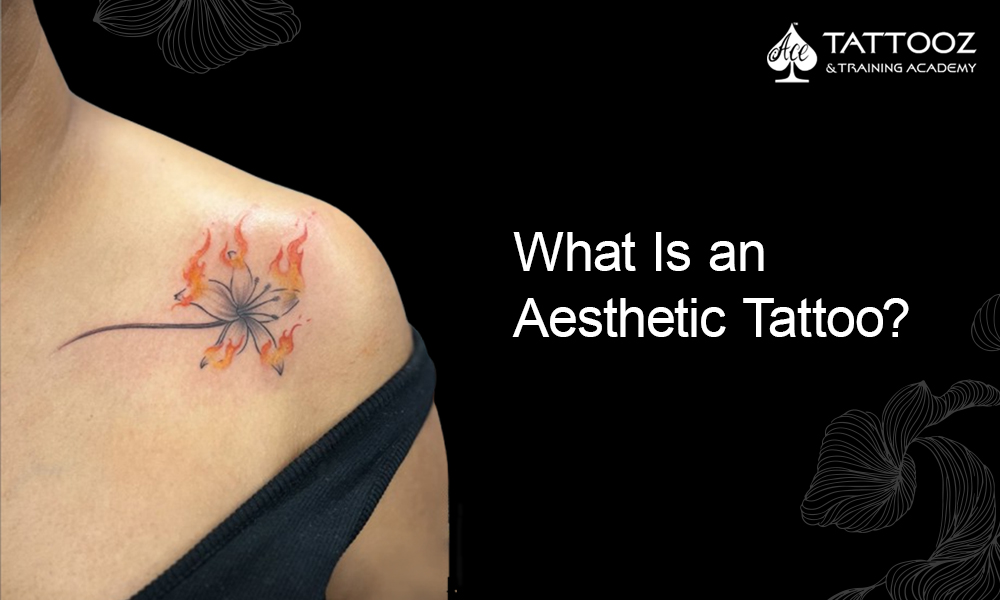
What Is an Aesthetic Tattoo? There is a quiet shift happening in tattoo culture. Once seen as bold acts of rebellion or symbols of belonging, tattoos today have become more about expression than statement. Among this shift, aesthetic tattoos have emerged as a defining trend — subtle, deliberate, and deeply personal.  At first glance, an aesthetic tattoo may look simple. It is often small, clean, and placed with care. But that simplicity hides intention. These tattoos are not about covering skin with heavy designs or loud colours. They are about balance, proportion, and meaning. They are visual poetry — brief, composed, and quietly powerful.  The Meaning of Aesthetic Tattoos The word “aesthetic” comes from the Greek aisthētikos, meaning “of sense perception”. To call something aesthetic is to say it is pleasing to the eye. In the world of tattoos, it means designs that focus on beauty, form, and minimalism rather than complexity or shock value.    An aesthetic tattoo is one that feels right — not only in how it looks but in how it sits on the body. It works with the skin rather than against it. It might be a single fine line, a delicate symbol, or a piece that plays with negative space. The result is a design that feels calm and intentional.    People often choose aesthetic tattoo designs because they express identity in a quieter way. Instead of telling a full story, they hint at one. They let the viewer fill in the blanks.  The Rise of Minimalism in Tattoo Art Tattoo art has long mirrored cultural movements. Just as interior design and fashion have turned toward minimalism, tattoos, too, have embraced restraint. The rise of aesthetic minimal tattoos speaks to this preference for less, for designs that breathe.    A minimal tattoo might be a thin black outline of a flower, a small moon on the wrist, or a word written in a clean typeface. The details matter. The placement, the spacing, the angle — all of it contributes to the overall harmony.    Tattoo artists who specialise in this style often speak of the precision it requires. The line must be steady. The ink must be even. There is no room for distraction. The skill lies not in how much is drawn, but in how much is left out.  The Appeal of Aesthetic Small Tattoos For many people, aesthetic small tattoos are a way to explore body art without commitment to size or complexity. A small tattoo can carry the same depth of meaning as a large piece, but it whispers instead of shouts. It can sit quietly on an ankle, a collarbone, or behind the ear.    These tattoos often feel personal — more like a secret than a decoration. They can mark a moment, a relationship, or a belief. Their smallness adds to their intimacy. You might not notice them at first, but once you do, they hold your gaze.    Small tattoos also adapt easily to different aesthetics. A single line drawing can feel modern. A fine script word can feel poetic. A tiny geometric form can feel timeless. That range is part of what makes them so enduring. Aesthetic Tattoos for Men The world of aesthetic tattoos for guys has evolved beyond traditional masculine imagery. Men today are choosing tattoos that focus on subtlety and design rather than size or toughness.    Fine-line tattoos, geometric patterns, and small symbolic pieces have become common choices. A simple wave, a star, a line of text, or an abstract form — these all fall under the aesthetic tattoo style. They allow men to express individuality without following the old rules of boldness or intensity.    Placement also plays a role. The inner arm, chest, or collarbone are popular spots for aesthetic tattoos for guys. These areas allow the tattoo to feel both personal and stylish — visible when chosen, hidden when preferred.  Beyond Trends Though the term aesthetic tattoo might sound like a modern label, the idea behind it has always existed. From ancient markings to modern line art, tattooing has always balanced beauty and meaning. What has changed is the way we approach it — with more attention to space, proportion, and emotion.  An aesthetic tattoo is not about being trendy. It is about choosing something that feels harmonious. It reflects an understanding of form, of restraint, of design. It invites the eye to pause and the mind to rest.  Choosing the Right Design Selecting an aesthetic tattoo design begins with reflection. What speaks to you? What kind of visual language do you feel drawn to? It could be organic — leaves, stars, waves — or abstract — lines, dots, symmetry.    The best tattoos work with your natural shape. A curved line along the shoulder, a small motif near the wrist, a fine symbol near the heart — these placements can change how the design feels. The goal is not to decorate but to harmonise.    When meeting an artist, bring ideas, not fixed images. A good tattooist understands balance. They will adapt your idea to suit your skin tone, placement, and style. Trust their eye as much as your own.  The Quiet Power of Simplicity The appeal of aesthetic tattoos lies in their quietness. They are not about showing off. They are about aligning with yourself.  They remind us that beauty often comes from what is left unsaid — from space, silence, and line. In a world that celebrates excess, these tattoos offer a sense of calm.  Whether it is a small design on your hand or a minimal piece on your shoulder, an aesthetic tattoo carries the same message: simplicity can be profound. It asks for nothing more than to exist — clear, clean, and true.    If you’re ready to bring your own aesthetic tattoo to life, book a consultation with Ace Tattooz today and let our tattoo artists create a design that truly reflects you.  FAQ What makes a tattoo “aesthetic”? An aesthetic tattoo emphasises

What Is an Aesthetic Tattoo Read Post »

Blog

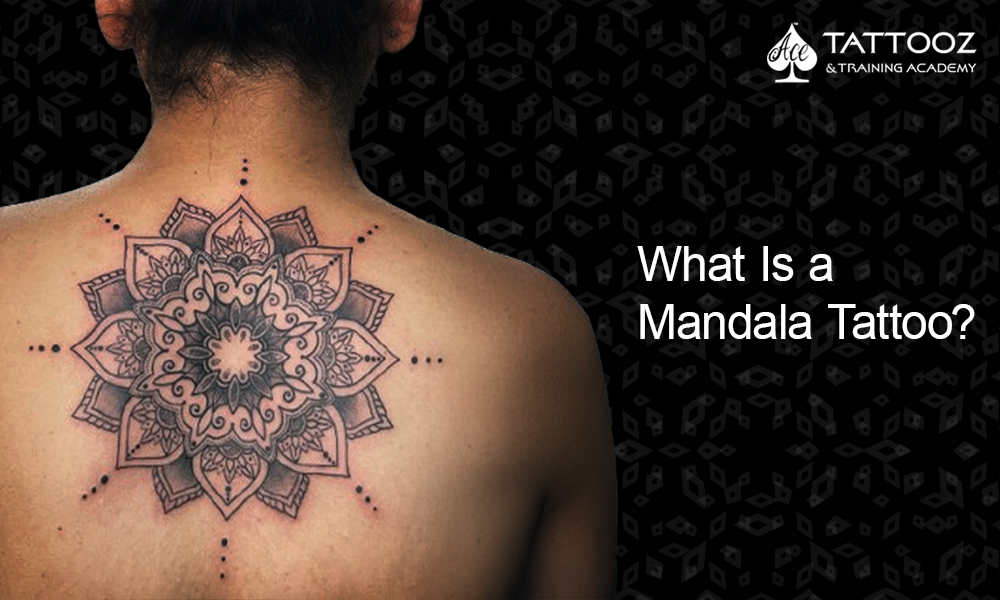
What Is a Mandala Tattoo

What Is a Mandala Tattoo? “Geometry existed before the Creation. It is co-eternal with the mind of God. Geometry provided God with a model for the Creation… Geometry is God Himself.” — Johannes Kepler, as quoted in Cosmos by Carl Sagan Kepler’s reflection depicts something ancient and elemental. Geometry isn’t just a collection of shapes or rules. It is a language that emphasises structure, balance, and cosmic order. For centuries, humans have used geometry to comprehend the world. In many cultures, geometry evolved into more than just a tool. It evolved into a means of connecting the physical and spiritual realms. This concept is the foundation of a mandala tattoo. A mandala is a geometric pattern designed around a central point. It repeats and radiates outward, creating a sense of tranquil symmetry. When inked on the skin, a mandala tattoo is both personal and universal. It conveys centuries of meaning while allowing for individual expression. Ancient Origins of Mandala Patterns The word “mandala” comes from Sanskrit. It means “circle”. Mandalas have appeared in spiritual and cultural traditions across Asia for more than two thousand years. They are central to Hinduism and Buddhism, where monks use them as meditation tools. In these traditions, each line and curve reflects the order of the universe. The circle at the centre often represents wholeness. Patterns grow around it in balanced layers. This structure mirrors the cosmos, where everything revolves in harmony. In temples and monasteries, mandalas appear in paintings, carvings and sand art. Monks sometimes spend days creating intricate sand mandalas, only to sweep them away after a ritual. The act reflects the impermanence of life. Over time, these patterns travelled far beyond their original cultural settings. Artists, spiritual seekers and tattoo enthusiasts adopted the designs. Today, the mandala tattoo is one of the most recognisable geometric tattoos in the world. What Makes a Mandala Tattoo Unique A mandala tattoo is defined by structure. Every line and shape connects with intention. Unlike many figurative tattoos, which show a specific image or symbol, mandala tattoo design is about balance and pattern. A classic mandala starts with a circle. Around it, the artist builds layers of triangles, petals, dots or squares. Each shape adds rhythm. When complete, the design appears both simple and complex. It feels as if it has always existed. This is part of its appeal. People are drawn to these tattoos not only for their beauty but also for the quiet sense of order they hold. Whether someone chooses a large back piece or a small mandala hand tattoo, the design often gives the same feeling: centred, steady, harmonious. Symbolism and Meaning Different cultures assign different meanings to the shapes within a mandala. Some common interpretations are: The circle symbolises unity, wholeness, and infinity.  Triangle for Growth, Change, and Direction  Squares represent structure, stability, and the physical world.  Petal forms represent life, movement, and flow.  For many, a mandala tattoo represents inner balance. Some see it as a guide to self-discovery. Others see it as a reminder of their place in the larger system. The geometric symmetry promotes stillness. It draws the eye inwards. That meditative quality is one of the reasons people prefer simple mandala tattoo designs for personal expression. Mandalas are associated with the universe according to spiritual traditions. Some believe that the mandala represents the universe’s order and energy. Carrying that on your skin can feel like a gentle reminder of your connection to something larger. How Artists Create Mandala Tattoos The beauty of a mandala tattoo lies in its precision. Each line must be aligned with the others. Each curve must reflect the pattern around it. Skilled artists frequently begin with a central point and work outward layer by layer. They use compasses and stencils for guidance but rely on their own judgement for the finer details. Three common techniques shape these tattoos: Linework consists of clean, steady lines that serve as the framework of the design.  Dotwork is a technique that utilises tiny dots to create texture and depth without relying on heavy shading.  Shading is used to create soft gradients, which add a sense of volume and movement.  A simple mandala tattoo design may only include linework, keeping the pattern minimal and airy. More elaborate designs combine dotwork and shading to create a mandala that almost appears to breathe. Common Placements and Styles Mandala tattoos work on many parts of the body. Popular placements include the forearm, upper arm, chest, back and thigh. A mandala hand tattoo is especially striking. The hand’s shape frames the circular pattern, making it appear like an extension of the body’s natural lines. Smaller tattoos often highlight a single pattern with a clear centre. Larger tattoos can expand across the back or chest, forming complex mandala tattoo designs with multiple layers. Some people choose a simple mandala tattoo design for a quiet personal mark. Others prefer full, detailed mandalas that make a statement. The style can be pure black ink or include colour. Blackwork focuses on contrast and clarity. Colour adds mood and symbolism. Each choice changes the way the tattoo feels. Personal and Cultural Layers Every mandala tattoo carries both personal and shared meaning. The pattern itself links to centuries of tradition. Yet the choice of placement, size and detail makes it individual. Some people choose designs inspired by Buddhist or Hindu art. Others work with an artist to build something entirely their own. This duality is what gives mandala tattoos their lasting appeal. They are both ancient and modern. They belong to a collective language of geometry, yet they adapt easily to a personal story. Simplicity Versus Complexity A simple mandala tattoo design may seem modest at first glance. But its clean lines and open spaces often reveal the form most clearly. These tattoos focus on proportion and balance. They can be placed on small areas like the wrist, hand or ankle. A more complex design uses multiple layers. It may spread across a large area, such as the

What Is a Mandala Tattoo Read Post »

Scroll to Top